

Summer can be wonderful for your mood and a little less forgiving to your complexion. By fall, freckles may look darker, fine lines can seem more noticeable, and once-smooth skin may appear rough or uneven.
Years of cumulative UV exposure can become especially obvious after another season outdoors. Jeisys Edge One offers CO₂ Laser Resurfacing for patients who want a more intensive approach to improving visible sun damage and renewing the skin.
The goal isn’t to erase every sign that you’ve spent time in the sun. Instead, CO₂ resurfacing can target damaged surface tissue while stimulating a healing response that supports smoother, fresher-looking skin.
Keep reading to learn what this treatment can address, why fall can be a practical time to consider it, and what realistic recovery looks like.
How CO₂ Resurfacing Tackles Sun Damage
Sun damage doesn’t affect only one part of the skin, which is why its visible effects can include pigmentation, roughness, fine lines, and changes in overall skin quality. A laser treatment for sun damage can address several of these concerns through controlled resurfacing and subsequent skin renewal.
1. It Resurfaces Damaged Outer Skin
Think about how many summers your face has experienced. Even with sunscreen, repeated ultraviolet exposure can gradually leave visible changes that don’t disappear when your tan fades.
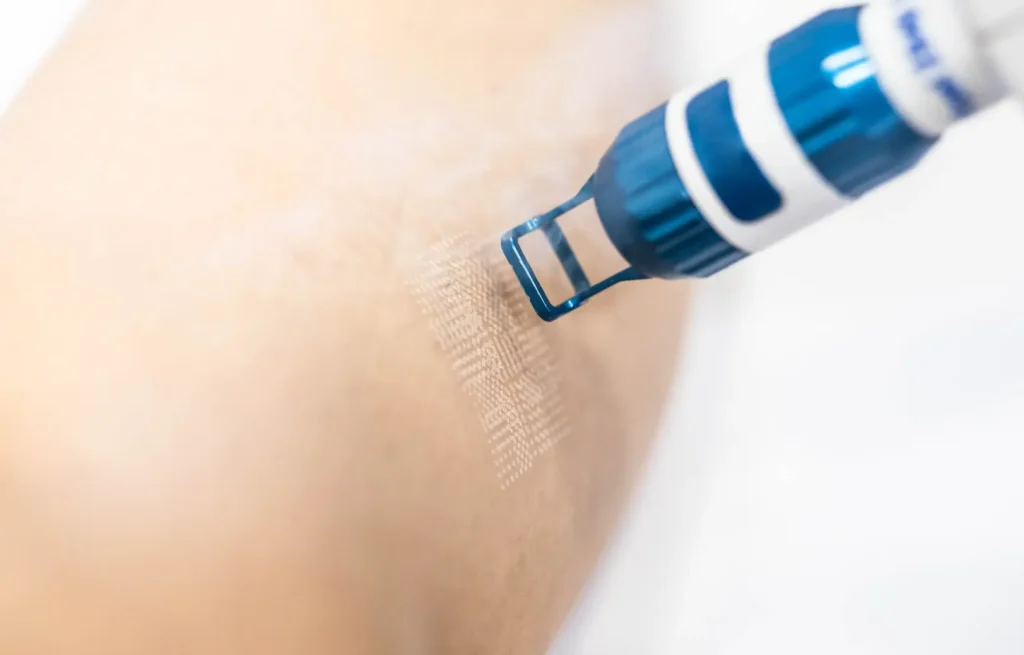
CO₂ lasers use a wavelength that’s strongly absorbed by water in the skin. Controlled laser energy removes microscopic areas of damaged tissue, initiating a healing response as the treated skin recovers.
This resurfacing action is one reason patients explore a laser for sun-damaged skin when topical skincare alone no longer feels like enough. Products can play an important role in maintaining skin health, but they don’t reproduce the controlled resurfacing created by an ablative laser.
As healing progresses, the complexion can gradually look smoother and more refreshed. The degree of improvement depends on the severity of the original concern, treatment settings, skin characteristics, and individual healing.
2. It Can Soften the Look of Sun Spots
One of the most frustrating parts of summer sun exposure is uneven pigmentation. Areas that once looked faint may suddenly become much easier to see after weeks spent outdoors. Patients searching how to get rid of sun spots may come across everything from brightening creams to chemical peels and laser treatments. The appropriate choice depends partly on what the pigmentation actually is.
CO₂ resurfacing can improve certain forms of superficial pigmentation by removing damaged skin and promoting renewal. As treated tissue heals, some areas of discoloration may become less prominent. However, every brown spot shouldn’t automatically be treated with a cosmetic laser. New, changing, irregular, bleeding, or otherwise concerning lesions should first receive appropriate medical evaluation.
Melasma also requires special consideration because heat and inflammation can sometimes aggravate it. A professional assessment should come before assuming every patch of discoloration is ordinary sun damage.
3. It Smooths Rough Texture
UV damage doesn’t always appear as a brown spot. Sometimes you notice it when applying foundation or running your fingers across your cheek. The skin may feel rougher or look less even in certain lighting. Enlarged-looking pores, dry texture, and accumulated surface damage can make the complexion appear less polished.
Laser skin treatment for sun damage can address texture through controlled resurfacing. Removing microscopic areas of damaged tissue gives the skin an opportunity to renew as healing occurs. The result isn’t instant perfection after the procedure. Freshly treated skin first needs to pass through redness, sensitivity, peeling, and other expected stages of recovery.
Once healing progresses, smoother-looking texture may become more apparent. This gradual transition is why CO₂ resurfacing should be planned around your lifestyle rather than squeezed into a free afternoon before an important event.
4. It Addresses Fine Lines From Photoaging
Fine lines have many contributors. Facial movement, genetics, natural aging, collagen loss, and sun exposure all play a role. Repeated UV exposure accelerates changes in collagen and other structural components of the skin. Over time, those changes can contribute to a thinner, less resilient appearance and make lines more visible.
A CO₂ laser for sun damage does more than address the outer surface. The controlled thermal effect also triggers wound healing and collagen remodeling within the treated skin. As new collagen develops during recovery and remodeling, fine lines may appear softer, and skin quality may improve.
This doesn’t make laser resurfacing equivalent to Botox, filler, or surgery. Each treats different aspects of facial aging. CO₂ treatment is particularly relevant when the concern involves the quality and texture of the skin itself.
5. Collagen Remodeling Keeps Working
One reason resurfacing results aren’t judged immediately is that the biological response continues after the visible recovery period. Collagen provides structural support to the skin, but its production changes with age, and existing collagen can be affected by years of UV exposure. Controlled laser treatment stimulates a repair process that includes collagen remodeling.
This means some improvement can continue developing after redness and peeling have settled. Patients frequently ask, can you reverse sun damage completely? It’s more accurate to say that treatment can improve many visible signs of photodamage. It can’t erase every cellular effect of UV exposure or make the skin behave as though sun exposure never happened.
That distinction matters. A successful treatment can create meaningful cosmetic improvement while still requiring continued sun protection. Resurfacing the skin doesn’t grant immunity from future UV damage.
6. Facial Damage Can Be Treated Strategically
The face tends to receive a great deal of incidental sun exposure. Driving, walking the dog, eating outdoors, and simply sitting near windows can add to a lifetime of UV exposure. That’s why searches for how to reverse sun damage on the face are so common.
A laser treatment for sun damage on the face can be customized around the areas where photoaging is most noticeable. The treatment plan should take skin condition, pigmentation, depth of damage, and desired level of correction into account.
Treatment intensity matters because more aggressive settings generally mean a more involved healing period. The strongest possible treatment isn’t automatically the smartest choice. Your provider can determine how much resurfacing is appropriate based on what you’re trying to correct.
That individualized approach can balance meaningful improvement with a recovery period you can realistically manage.
7. Fall Offers a Practical Treatment Window
CO₂ resurfacing isn’t technically limited to one season, but fall can make aftercare easier for many patients. Summer often means beaches, pools, outdoor sports, vacations, and long days in direct sunlight. Those activities can be difficult to reconcile with freshly resurfaced skin.
Once autumn arrives, outdoor schedules may become less intense. Patients may find it easier to minimize direct sun exposure while their skin heals. That doesn’t mean sunscreen can disappear once the weather cools.
UV rays remain present throughout fall and winter. Sun protection is especially important after laser resurfacing for sun damage, when recently treated skin needs careful protection during recovery.
Fall is therefore less about the calendar giving you permission to use a laser and more about choosing a period when you can realistically follow the aftercare requirements.
8. Recovery Is Part of the Treatment
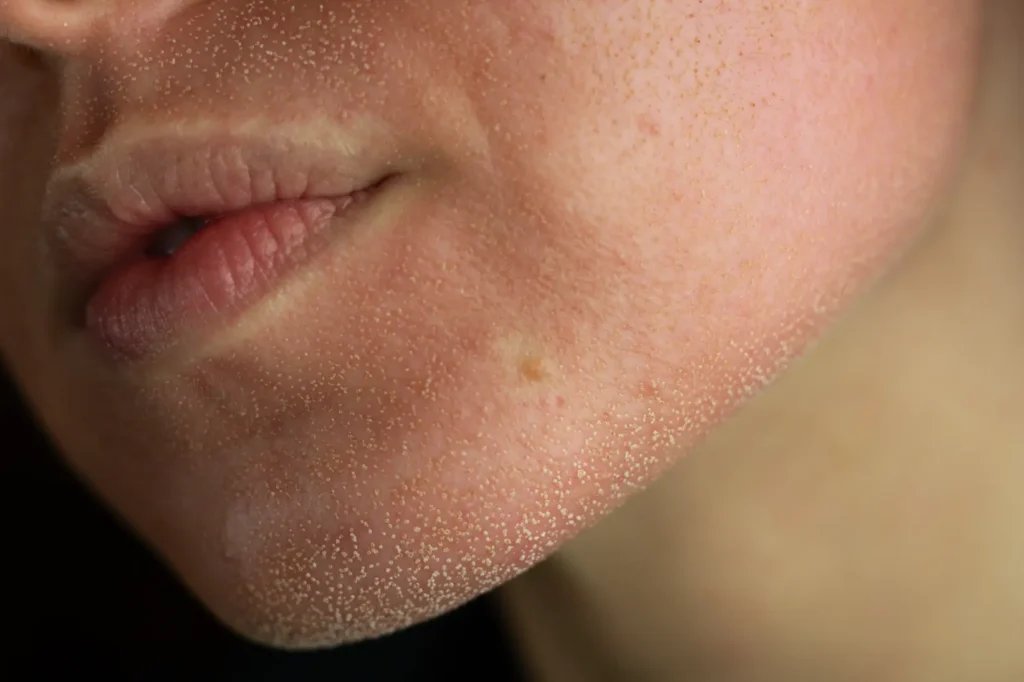
Ablative CO₂ resurfacing isn’t a zero-downtime facial. Treating damaged skin means giving that skin adequate time and care to heal. Depending on treatment intensity, patients can experience redness, swelling, sensitivity, crusting, peeling, or a raw appearance during the initial recovery period. Pinkness may persist longer even after the surface has healed.
The exact timeline varies. Treatment depth, area, individual healing, and provider settings can all affect what recovery looks like. Patients considering a procedure before holiday parties, weddings, or professional events should leave plenty of breathing room.
Aftercare matters just as much as scheduling. Your provider may recommend specific cleansing, moisturizing, sun-protection, and activity instructions. Follow those recommendations rather than adding exfoliants or strong skincare products because you want the peeling to finish faster. Healing can’t be rushed without potentially creating more irritation.
9. One Treatment Can Address Several Concerns
Sun damage rarely arrives alone. A patient may have discoloration on the cheeks, roughness around the mouth, and fine lines around the eyes at the same time. This is one reason CO₂ Laser Resurfacing can be appealing.
Instead of focusing exclusively on pigment or texture, resurfacing can address several visible components of photoaging within an appropriately designed treatment plan. The goal can include smoother texture, softer fine lines, more even-looking tone, and overall skin renewal. Still, not every concern belongs under the CO₂ umbrella.
Deep facial folds, substantial skin laxity, volume loss, and dynamic wrinkles may need different treatments. Likewise, some pigmentation concerns may respond better to another modality. A good plan isn’t built around making one device solve every problem. It’s built around matching each concern with the right approach.
Give Summer Damage a Fresh Start
Sun exposure can leave its mark long after summer ends, but fall gives you an opportunity to address the texture, fine lines, and discoloration that have become more noticeable. Jeisys Edge One and CO₂ Laser Resurfacing can offer an intensive resurfacing approach for appropriate patients who want to improve visible photodamage while supporting skin renewal and collagen remodeling.
At Prism Laser and Aesthetics in Oak Harbor, WA, a personalized evaluation can help determine whether CO₂ resurfacing fits your skin and your goals. With thoughtful treatment, realistic recovery planning, and better sun protection afterward, your fall reset can become the beginning of a smarter approach to your skin year-round.
Call us today to schedule your appointment!

